Africa air travel: The road to airspace liberalization
Africa air travel: The road to airspace liberalization
This is a prelude to part II of The Conquest for the African Airspace: The movers and shakers. In this article, we review the journey thus far in the liberalization of the African airspace.
Introduction
Air transportation is not only a crucial element for regional economic growth but also plays a pivotal role in ensuring timely deliveries and reducing travel times. The significance of air travel lies in its ability to open up and connect countries and markets, thereby stimulating passenger traffic, facilitating the smooth flow of trade and foreign direct investments, and providing access to global supply chains. Consequently, it fosters economic development and, most importantly, enhances regional integration.
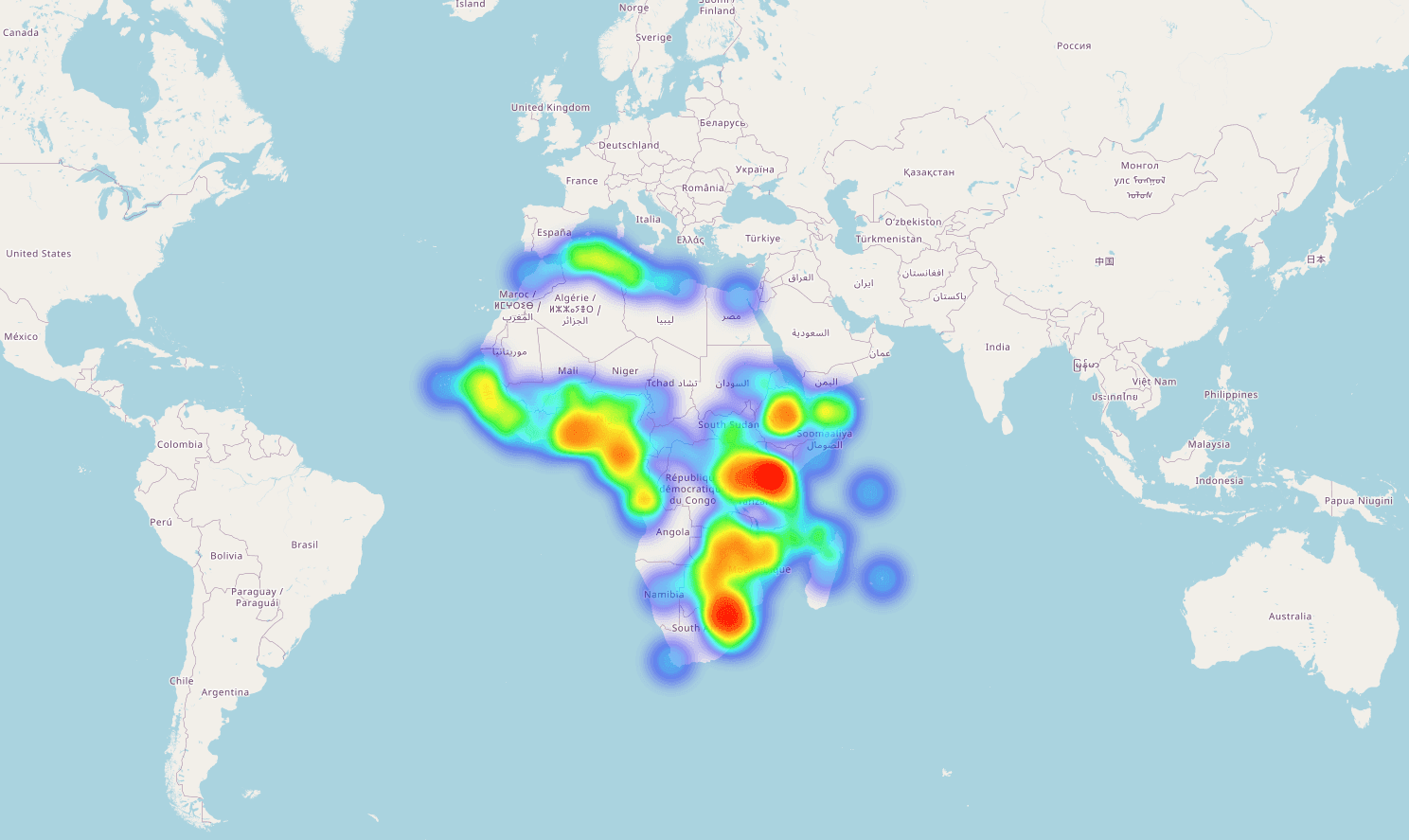
However, numerous urban regions in Africa face challenges when it comes to airline connectivity, both within the continent (intra-continentally) and in terms of international connections (inter-continentally), as discussed in the first part of this article. Consequently, Africa’s overall performance in global and transnational urban air connectivity falls below the expected standards. When compared to the rest of the world, air transport volumes within the African continent are significantly lower, with an intra-air-connectivity penetration rate of only about 14.5%. To provide some context, even though sub-Saharan African countries have a population more than five times that of Brazil, their airline passenger volumes are lower than those of Brazil.
...
Go Premium
This article is available to subscribers only.
Subscribe to unlock full access to all premium content, including in-depth articles and weekly aviation industry insights.
- ✓Full access to all articles and weekly trails
- ✓Exclusive data analytics dashboards
- ✓Early access to new content
- ✓Priority support